More Than a Weapon
When most people picture a pirate, they imagine a cutlass raised high during a boarding action, ready for battle.
They're not wrong.
But they're only seeing half the story.
For the pirates, privateers, and sailors of the Golden Age of Piracy, a blade was far more than a weapon. It was one of the most important tools aboard a ship. It cut rigging in the middle of a storm. It repaired sails. It prepared meals. It opened cargo, carved wood, trimmed rope, and when necessary, defended a man's life.
Long before America was forged into a nation, steel was already helping forge the men who would challenge empires.

Life at Sea Was Hard
Life aboard an eighteenth-century sailing ship was brutal.
Crews spent months crossing the Atlantic facing violent storms, cramped living quarters, disease, hunger, and constant maintenance. Every rope, sail, spar, and pulley demanded attention. If something broke during heavy weather, seconds mattered.
A dependable knife wasn't optional.
It was everyday equipment.
Every sailor understood that a sharp blade could free tangled rigging, cut away damaged sails, or save a crewmate trapped beneath heavy lines before disaster struck.
Unlike firearms that required powder and time to reload, a blade was always ready.
That reliability made it indispensable.

Built for the Sea
The most recognizable pirate blade was the cutlass.
Unlike long cavalry swords, the cutlass featured a short, broad blade that was easy to carry and effective in tight spaces below deck or while climbing rigging. Its heavy blade could slash rope, chop through wood, and deliver tremendous stopping power during close-quarters fighting.
Its design wasn't about elegance.
It was about function.
The cutlass became the preferred sidearm for sailors throughout the Age of Sail because it worked equally well as a tool and as a fighting weapon. Even naval forces around the world issued cutlasses because of their durability and versatility.
Boarding Was Controlled Chaos
Pirates rarely wanted to sink a merchant ship.
They wanted to capture it.
That meant getting close enough to board.
Once grappling hooks locked two ships together, the battle became a brutal fight in confined spaces. Long muskets quickly became awkward after firing their first shot. Pistols often carried only a single round before requiring a lengthy reload.
Steel took over.
Cutlasses, boarding axes, knives, and pikes became the tools that decided the outcome of the fight.
The shorter blade gave pirates an advantage when moving through narrow passageways, climbing ladders, and fighting shoulder-to-shoulder on crowded decks.

Every Blade Earned Its Place
A pirate's knife wasn't carried because it looked intimidating.
It earned its place every single day.
A blade might spend the morning cutting rope.
The afternoon preparing food.
The evening repairing equipment.
And the night defending the ship.
On the sea, there was no room for equipment that served only one purpose.
Every tool had to work.
That philosophy still resonates today.
Whether you're working on a ranch, hiking through the backcountry, running trap lines, building a fence, or simply carrying everyday gear, the best knife is the one that's ready when you need it.
The Blade Helped Build America
Long before settlers pushed westward, sailors relied on blades to survive on the Atlantic.
The same practical mindset carried forward into colonial America.
Knives became essential for farmers, tradesmen, explorers, hunters, frontiersmen, soldiers, and craftsmen. They built homes, cleared land, processed game, repaired wagons, harvested crops, and defended families.
America wasn't built with ceremonial tools.
It was built with working tools.
Steel helped carve trails, establish settlements, and support the people willing to risk everything in pursuit of a better future.
That same spirit of self-reliance still defines America today.
Why It Matters to Skallywag Tactical
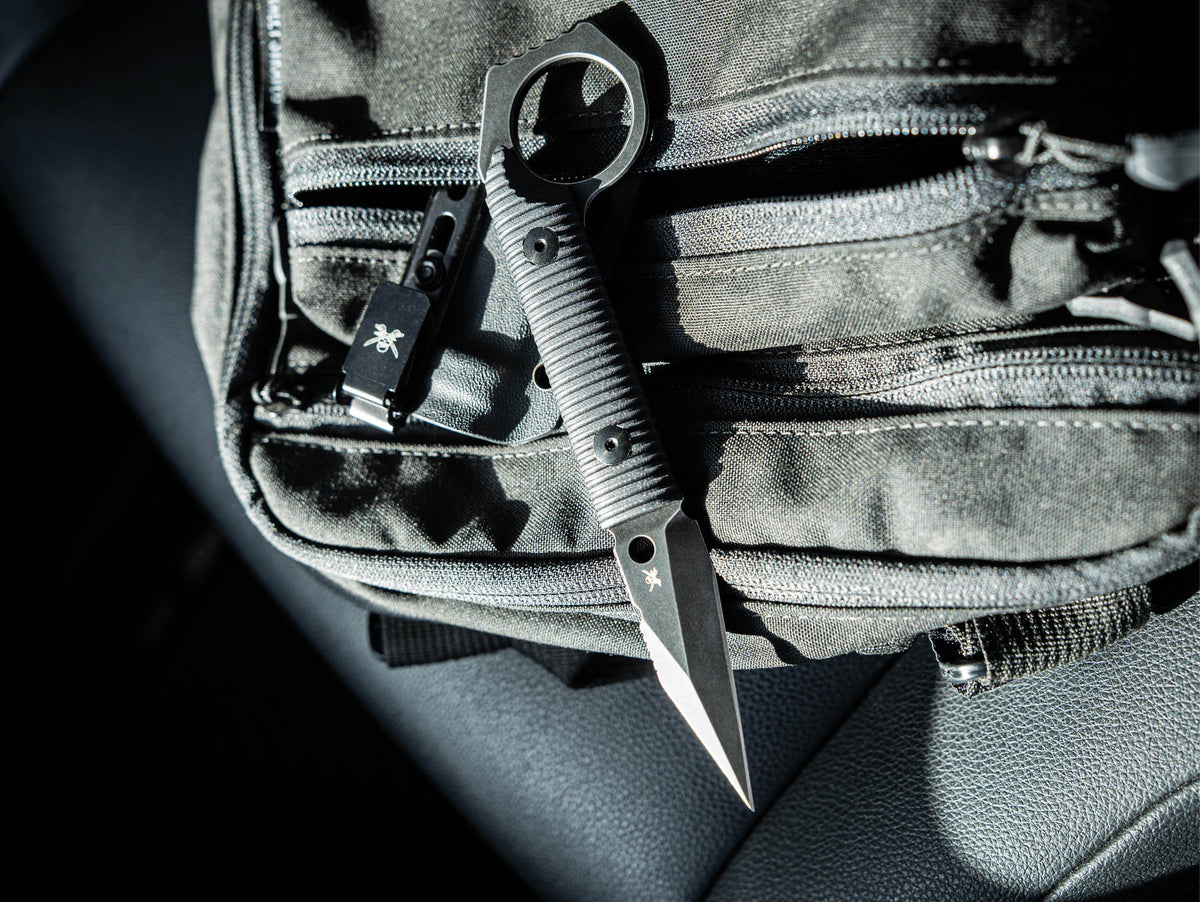
At Skallywag Tactical, we don't celebrate pirate history because it looks cool.
We celebrate it because it represents something timeless.
Preparedness.
Self-reliance.
Adaptability.
The willingness to solve problems with the tools in your hand.
The pirates and privateers of the Atlantic carried blades because they depended on them every day. That mindset hasn't changed.
Our tools are built for people who work hard, venture farther, and refuse to rely on chance.
Because the right tool has never been about collecting.
It's about carrying confidence.
Carry Forward the Spirit
This article is part of Scoundrels of Independence, our celebration of America's 250th birthday.
Throughout this series we'll explore the forgotten stories, tools, and people whose grit and determination helped shape a nation.
Because before there was freedom...
There was steel.